The Crowd Doesn't Keep You Warm: On Loneliness and Living a Visible Life
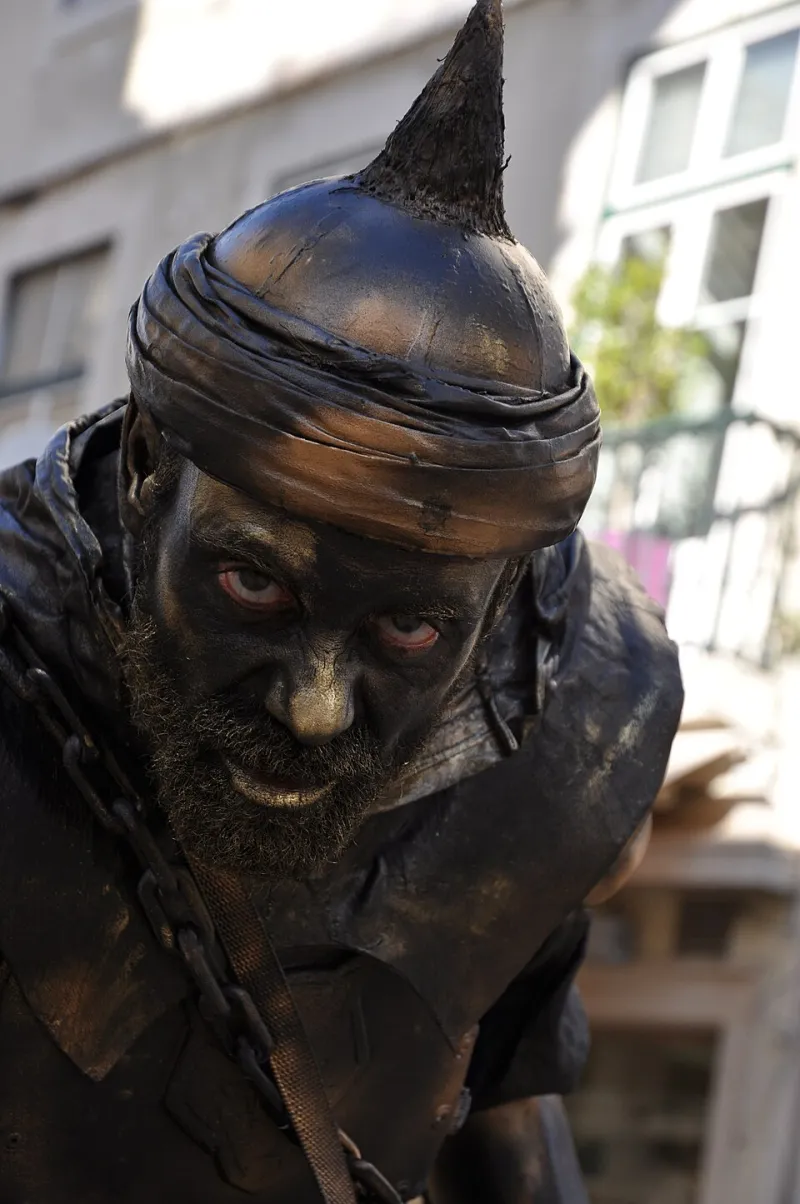
Photo: performer standing alone backstage in dim theater spotlight, via everedgehub.com
The lights go down. The applause hits like a wave. You're standing in front of hundreds — maybe thousands — of people who came specifically to see you. And somewhere in the middle of all that noise, you feel completely alone.
If you've never experienced that, it might sound dramatic. If you have, you already know exactly what I mean.
This isn't a new phenomenon, but it's one that doesn't get talked about honestly enough in creative communities. We share the highlight reels. We talk about the grind and the hustle and the breakthroughs. We don't talk nearly as much about the strange, specific loneliness of being a public person — of having your persona consumed by strangers while your actual self stays largely unknown.
The Gap Between Being Seen and Being Known
Visibility and intimacy are not the same thing. That sounds obvious when you say it out loud, but the two get conflated constantly — by audiences, by the industry, and sometimes by performers themselves.
When you're on stage, or on screen, or building a following online, people develop a relationship with a version of you. That version might be deeply inspired by who you actually are. It might even be who you are in many meaningful ways. But it's still a curated, presented version. The audience experiences it. They don't experience you — your 2 a.m. doubts, your awkward silences, your complicated feelings about your own work.
And here's the paradox: the more successful you get, the wider that gap can grow. Your audience gets larger. The persona gets more defined. The real you gets harder to introduce.
Why Performers Are Especially Vulnerable
Performers are trained, in a very real sense, to give. To project. To fill space with energy and presence and emotion. That's the job. What doesn't always get taught is how to receive — how to let people in, how to be a person in your own life instead of always being a performer in it.
There's also the exhaustion factor. If you've spent three hours pouring yourself into a show, the last thing you might have the capacity for is the kind of vulnerable, open conversation that builds real connection. So you go home. You decompress alone. You scroll. The distance grows.
Social media adds another layer of complexity. The performance doesn't end when you walk off stage anymore. There's an expectation — sometimes self-imposed, sometimes external — to be "on" online too. To share, to engage, to be accessible. Which means the line between your public persona and your private self gets blurrier, not clearer, as your platform grows.
The People Who Get Close for the Wrong Reasons
One of the harder realities of public creative life is learning to navigate relationships where the power dynamic is off from the start. Fans, collaborators, even some friends — people sometimes get close to the artist rather than the person. And it takes time, sometimes painful time, to learn the difference.
That's not cynicism. Most people who admire artists aren't being manipulative. They're just responding to the version of you they know, which is the public one. But building genuine relationships — the kind that sustain you through the hard stretches — requires finding people who are curious about who you are when the performance is over.
Those people exist. They're just harder to find when you're surrounded by the noise of visibility.
Finding Ground When Everything Feels Performed
So what do you actually do with this? A few things that help, at least from what I've seen and experienced:
Create spaces that are explicitly not for the audience. A journal nobody reads. A practice session with no documentation. A dinner with friends where you have an unspoken agreement not to talk about work. These aren't retreats from your career — they're the places where the person who makes the career possible gets to breathe.
Be honest with your therapist, coach, or trusted people about the performance fatigue. Not just the physical kind. The emotional kind that comes from being "on" constantly. Naming it is the first step to not letting it swallow you.
Let some people see the mess. Not your whole audience. Not publicly. But somebody. The instinct to protect your image is understandable, but taken too far, it leaves you completely isolated inside a very polished cage. Selective, intentional vulnerability with people you trust is not weakness. It's how you stay human.
Recognize that loneliness after a great show is not a sign that something is wrong with you. It's a sign that you're a person, not just a performer. The two things can coexist. They have to.
The Honest Version of This Life
Living visibly is a privilege and a weight at the same time. The applause is real. The connection people feel to your work is real. And the loneliness that can exist alongside all of that is also real.
You don't have to choose between a public creative life and a genuinely connected private one. But you do have to be intentional about building both. The career doesn't build the life for you. That part is still on you, even when you're exhausted, even when the crowd was electric, even when it feels like you should already have everything you need.
The crowd doesn't keep you warm. But the right people — the ones who know you when the lights are off — can.