Reset, Recharge, Reimagine: The Creative Rituals That Keep Performers Going
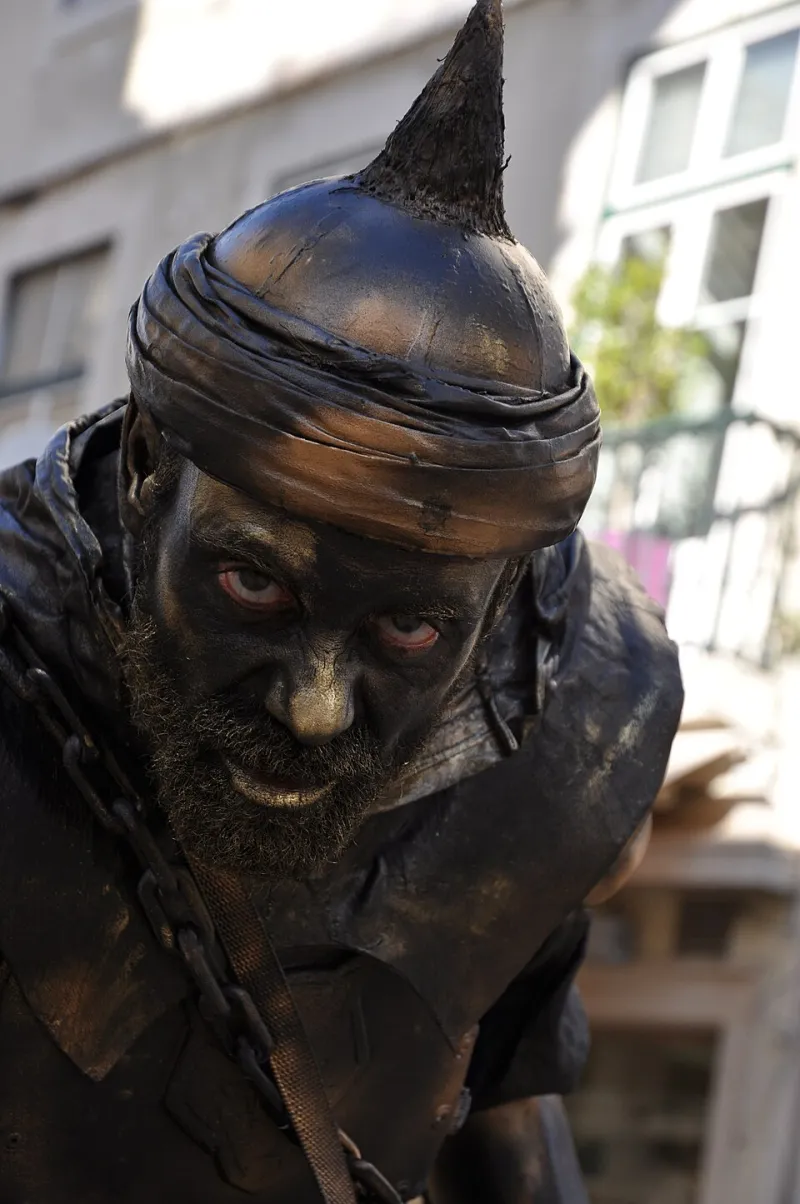
Photo: Dick Smit from Netherlands, CC BY-SA 2.0, via Wikimedia Commons
There's this weird myth floating around creative circles — the idea that a real artist is always on. Always creating, always hustling, always in the middle of something big. But talk to any performer who's been doing this for more than a few years, and they'll tell you the opposite is true. The space between projects? That's where the real work happens.
I've been thinking a lot about transitions lately. Not just the logistical kind — wrapping up a run, closing out a contract, hitting send on the final deliverable — but the mental and emotional shift that has to happen before you can genuinely pour yourself into something new. It's not automatic. And it's definitely not nothing.
Why the In-Between Is Actually Everything
Burnout in the performing arts is real, and it's sneaky. It doesn't always look like exhaustion. Sometimes it looks like going through the motions. Sometimes it looks like a performance that technically checks every box but feels hollow — to you and, eventually, to your audience.
Sports psychologists have known for decades that elite athletes need structured recovery time to perform at their peak. Muscles literally grow during rest, not during the workout. Creative muscles work the same way. When you skip the reset and jump straight from one project into the next, you're not bringing your full self to the new work. You're bringing whatever's left over.
Marissa Delgado, a Chicago-based dancer and choreographer who's worked across contemporary dance and commercial TV productions, puts it plainly: "I used to wear my packed schedule like a badge of honor. And then I had a project where I could tell — I could actually feel — that I had nothing left to give. The movement was technically correct but there was no life in it. That scared me into changing how I operate."
Now, Marissa builds a mandatory two-week buffer between major projects. No auditions, no side gigs, no planning sessions. Just intentional emptiness.
Transition Rituals That Actually Work
So what does a healthy creative reset look like in practice? It varies wildly by person, which is kind of the point. The performers I've talked to all have something in common, though — their rituals are deliberate. This isn't accidental downtime. It's structured breathing room.
The Physical Purge A lot of performers start with their bodies. Makes sense — your instrument is physical, and stress lives in the body. Some swear by long hikes or solo road trips through places like the Smoky Mountains or Big Sur. Others do a full week of yoga, not for fitness but for the meditative quality of slow, intentional movement. The goal isn't to stay in shape. It's to reconnect with your body outside the context of performance.
The Consumption Phase Once the initial decompression happens, many artists shift into what I'd call a consumption phase — deliberately taking in other people's work with zero agenda. Binge-watching a TV series you've been putting off. Going to every museum exhibit in your city. Reading novels. Catching live shows you'd normally be too tired to attend.
Jeremy Okafor, a New York-based actor who's bounced between regional theater and indie film, describes it as "refilling the well." He says, "I keep a running list of things I want to watch or read or see but never have time for. The transition period is when I actually get to it. And something always ends up influencing the next project in a way I couldn't have planned."
The Curiosity Detour Some performers use transition time to explore techniques or disciplines completely outside their primary work. A vocalist who digs into movement workshops. A theater actor who takes a screenwriting class. An instrumentalist who spends a month studying a genre they've never touched.
These detours rarely connect directly to the next project — and that's exactly the point. The goal is to disrupt your own patterns, to introduce unfamiliar stimuli that can shake loose new ideas. Creativity loves a good cross-pollination moment.
The Mental Side: Actually Letting Go
Here's the part nobody talks about enough: you have to mentally close the last chapter before you can genuinely open a new one. That sounds simple. It is not simple.
Performers are often still processing a project long after it's technically over. The review that stung. The choice you second-guessed. The relationship with a collaborator that ended awkwardly. Carrying all of that unexamined into your next project is like trying to write a new story on paper that's already covered in ink.
Some artists journal. Some talk to therapists — and honestly, the number of working performers who are open about seeing therapists has grown a lot, especially post-pandemic, which feels like a real cultural shift worth celebrating. Others have a specific ritual that signals closure: burning a written list of what didn't work, going to dinner at a favorite restaurant, or simply taking one long walk with no phone and no destination.
The form matters less than the intention. You're telling your nervous system: that chapter is done. This is a new beginning.
Building the Habit Before You Need It
The biggest mistake I see is treating the reset as optional — something you'll do if you have time, after everything else is handled. But here's the thing: there will never be a convenient moment to rest. The next opportunity will always appear before you feel ready. The emails will keep coming.
The performers who sustain long, generative careers — the ones who keep surprising you — have figured out that recovery isn't the reward for hard work. It's part of the work itself. They schedule it in. They protect it. They treat it with the same seriousness they bring to rehearsal.
Your next great performance is already living somewhere inside you. But you might need to get quiet enough to hear it.