The Stuff You're Not Saving (That's Actually Worth More Than Your Portfolio)
Ask most creatives what they've documented lately and they'll point you to a reel, a portfolio site, maybe a handful of Instagram posts from their last project. Clean. Curated. Finished.
And almost completely useless for building the kind of long-term visibility that actually sticks.
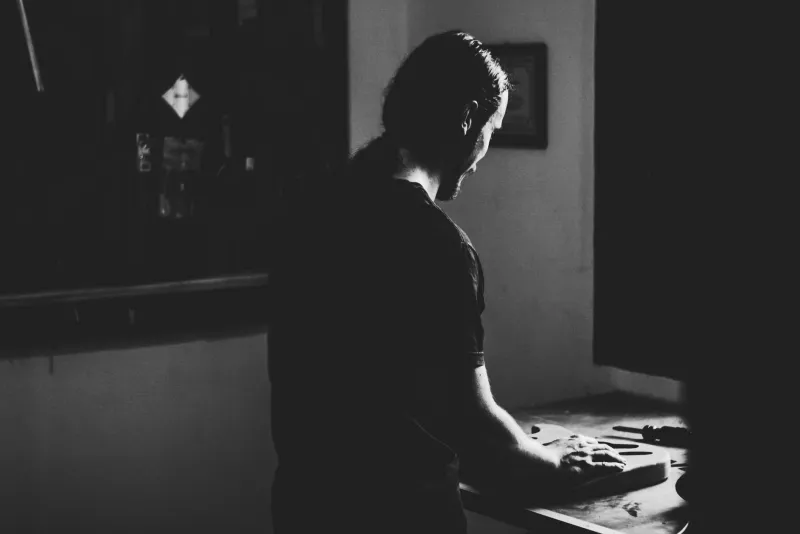
The work that audiences connect with — the stuff that makes people feel like they know you — almost never lives in the polished final product. It lives in the process. The mess. The moments nobody thought to write down. And if you're not capturing it, you're throwing away some of the most valuable material you'll ever create.
Why Finished Products Tell Only Half the Story
Here's the thing about a finished piece of art, a performance, a project: by the time it reaches an audience, it looks inevitable. Like it was always going to turn out that way. The struggle is invisible. The doubt is edited out. The seventeen terrible versions that came before the good one? Gone.
That invisibility might feel like professionalism, but it's actually a missed opportunity.
Audiences in 2024 are starving for process. They want to see the sketchbook before the gallery show. They want to hear about the audition that went sideways before the callback that changed everything. The more you show them the how, the more invested they become in the what.
This is what I'd call your invisible inventory — all the behind-the-scenes material accumulating in the background of your creative life that you haven't thought to treat as an asset. Let's talk about what it actually includes.
Failed Auditions and Rejected Pitches
I know, I know. Nobody wants to document the losses. But hear me out.
Every rejection you receive is a data point and a story. When you start tracking them — even just in a simple notes app or a Google doc — patterns emerge. You start noticing which rooms feel aligned with your work and which ones never were going to be. You accumulate evidence of your own persistence that becomes genuinely compelling narrative later.
Some of the most powerful content I've ever seen from performers came from someone pulling out an old rejection email and talking about what happened next. Not in a bitter way. Just honestly. That kind of transparency builds trust faster than any highlight reel.
Start a running log. Date, what it was, one sentence about how you felt, one sentence about what you did next. That's it. You'll thank yourself in two years.
Creative Experiments That Didn't Work
Failed experiments are creative gold and almost nobody documents them deliberately.
When you try something new — a different vocal approach, a visual style you ultimately abandoned, a performance concept that flopped in the room — you usually just move on. But those experiments represent real creative risk-taking, and risk-taking is exactly what audiences and collaborators want to see in an artist.
Keep a dedicated space for failed experiments. A folder, a journal, a voice memo collection. Describe what you tried, why you tried it, and what you learned. You don't have to share all of it publicly. But having it documented means you can draw on it when you need to talk about your creative process in an interview, a grant application, a pitch meeting, or a social post that actually resonates.
Breakthrough Moments (Before You Forget Them)
This one surprises people. You'd think we'd remember our breakthroughs. But creative breakthroughs are slippery. They feel enormous in the moment and weirdly hazy three weeks later.
A breakthrough might be the moment a character finally clicked for you. The afternoon you figured out the structure of a piece you'd been wrestling with for months. The rehearsal where something you'd been forcing suddenly became effortless. These moments are the emotional core of your creative story, and they evaporate fast if you don't capture them.
Make it a habit: when something clicks, stop and write two or three sentences about it immediately. What shifted? What did it feel like? What were you doing differently? Even a voice memo in your car on the way home is enough. The point is to catch it before the ordinary noise of life swallows it.
The Learning Curve Itself
One category that almost no one documents systematically is skill development — the gradual, unglamorous process of getting better at something.
If you're taking a new class, working with a coach, teaching yourself a new technique, or expanding into a genre you've never tried before — document it. Not just the outcome. The actual learning. What confused you. What finally made sense. How your body or your voice or your instincts shifted over time.
This kind of documentation has multiple uses. It's content. It's evidence of growth for anyone evaluating you professionally. And it's genuinely useful for other creatives at earlier stages who will follow your work specifically because you're honest about the learning curve.
How to Actually Build the Habit
Documentation fails when it feels like another job. So keep the system low-friction.
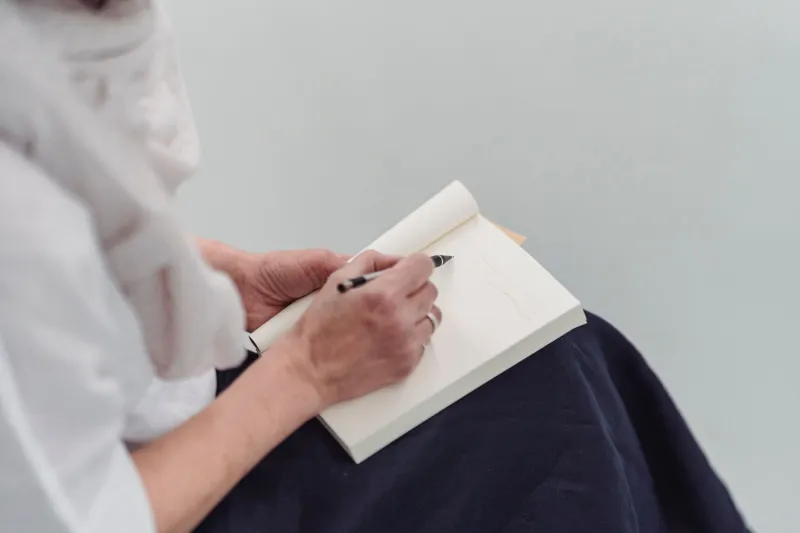
Pick one tool and stick to it — a notes app, a cheap physical journal, a private blog, a shared folder. Don't overthink the format. The goal is capture, not presentation. You can organize and refine later.
Set a loose weekly rhythm. Even five minutes on Sunday asking yourself: What happened this week that I don't want to forget? That's enough to keep the inventory growing.
And give each category its own space so it's easy to find later. Rejections in one place. Experiments in another. Breakthroughs somewhere you can actually get back to them when you need a reminder of why you do this.
What You're Actually Building
When you maintain this kind of invisible inventory over months and years, something interesting happens. You stop seeing your creative life as a series of disconnected projects and start seeing it as a narrative with real shape.
You have evidence of persistence. You have stories of risk and recovery. You have a record of your own evolution that no one else can replicate, because it's genuinely yours.
That narrative is what separates artists who build lasting audiences from those who stay perpetually underexposed despite doing great work. People don't just connect with what you make. They connect with the person who made it — and they can only do that if you've given them enough of the real story to hold onto.
Start the inventory. The finished work will always be there. The in-between moments won't wait.